
Nauru’s Climate Gamble: Selling Citizenship to Fund Survival.
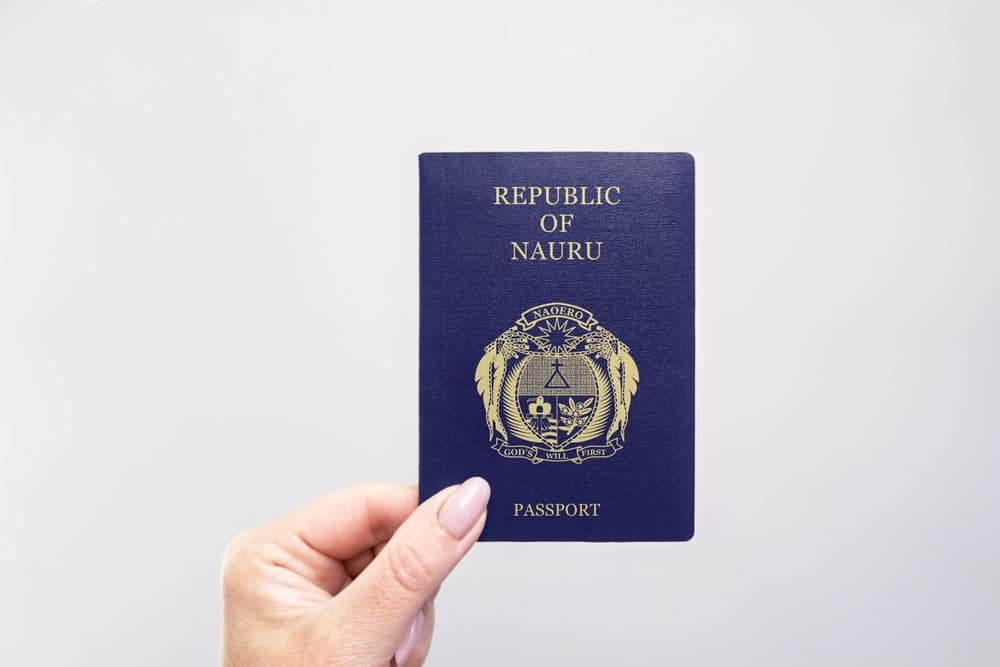
Nauru, the third smallest nation in the world, is confronting climate change with an unconventional weapon: its passport. In late 2024, the government launched the Nauru Economic and Climate Resilience Citizenship Program, positioning citizenship by investment (CBI) not simply as a financial mechanism but as a survival strategy.
Applicants pay roughly NZ$237,500—including fees—for citizenship. The program is administered through offices in Nauru, Hong Kong, and Dubai, with its central hub in Auckland, New Zealand.
The revenue raised is earmarked for climate adaptation projects, including coastal protection and land restoration. Much of Nauru’s terrain remains scarred from decades of phosphate mining, while sea-level rise now threatens what land remains.
For a nation with no tourism industry and limited natural resources, CBI provides both diversification and resilience.
Global Mobility as a Draw
Nauru’s passport provides visa-free or visa-on-arrival access to destinations like the United Kingdom, Singapore, Hong Kong, and the United Arab Emirates. For investors, this mobility—paired with the ethical appeal of climate action—makes the program a compelling niche choice.
Industry Context
The concept is hardly new. Caribbean nations such as St. Kitts and Nevis have run similar programs for decades. In fact, the same legal advisors behind St. Kitts’ successful program also helped structure Nauru’s initiative. What differentiates Nauru is its explicit climate narrative, branding citizenship as a contribution to global sustainability rather than merely a financial transaction.
Challenges and Risks
Critics point to potential vulnerabilities: small states offering CBI often face scrutiny from larger economies and regulators concerned about money laundering. Nauru insists on strict compliance and due diligence, with oversight mechanisms aligned to international standards.
A Survival Strategy
For Nauru, the equation is stark: without external funding, the nation risks losing habitable land to the ocean. CBI may not be a permanent solution, but it represents an innovative attempt to link global wealth with local survival.
Investing in Resilience: Nauru’s New Citizenship-for-Climate Model.
For corporate leaders and investors, the program illustrates a new dimension of impact investment—where acquiring a passport doubles as financing a nation’s fight against climate collapse.
Have you read?
The World’s Best Medical Schools.
The World’s Best Universities.
The World’s Best International High Schools.
Global Mobility and Wealth Security: Why Citizenship by Investment (CBI) and Residency by Investment (RBI) Programs Are Essential for Global Executives and High-Net-Worth Individuals.
Copyright 2025 The Chief Economists Magazine. All rights reserved. This material (and any extract from it) must not be copied, redistributed, or placed on any website without Chief Economists Magazine's prior written consent. For media queries, please contact: info@chiefeconomists.com