Do You Still Need a Degree? What Tim Cook, Alex Karp, and Jensen Huang Think

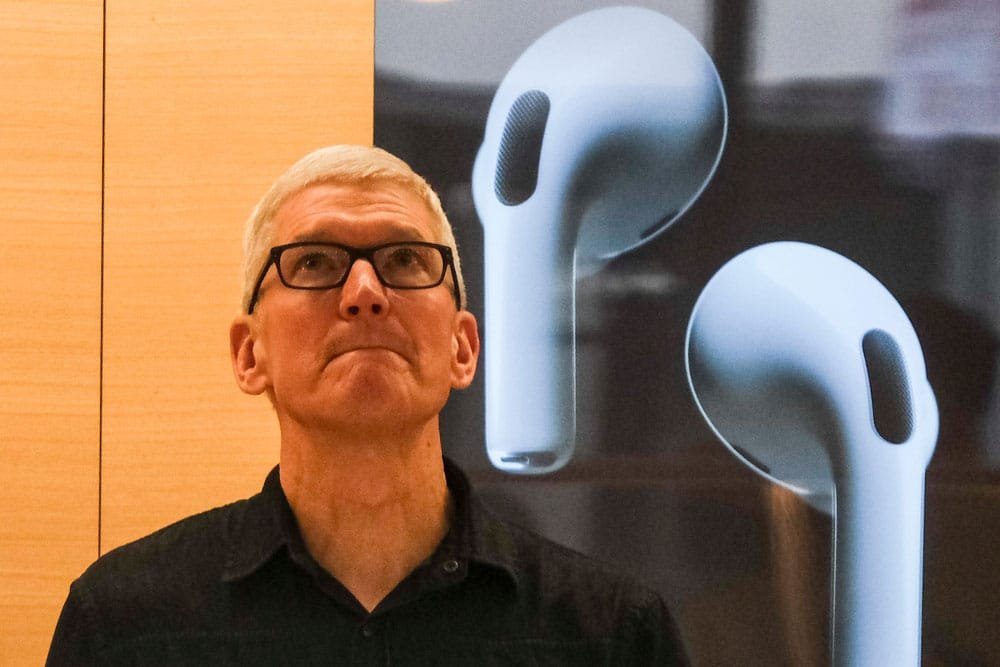
Tech CEOs Urge Young People to Rethink College Degrees Amid Industry Shifts
As artificial intelligence and automation reshape the global economy, top technology executives are rethinking the role of higher education. For decades, a four-year degree was viewed as the ticket to high-paying tech jobs. But leaders at companies such as Apple, Palantir, and Nvidia are suggesting that traditional academic paths may no longer guarantee success.
Palantir’s Alex Karp: “The Best Credential in Tech”
Speaking during Palantir’s second-quarter earnings call, CEO Alex Karp dismissed traditional credentialism. He argued that where someone went to college—or whether they attended at all—matters far less than the work they do.
“If you come to Palantir, your career is set,” Karp said. “Once you’re a Palantirian, no one cares whether you went to Harvard, Princeton, or nowhere at all.” His message was clear: performance and contribution outweigh academic prestige.
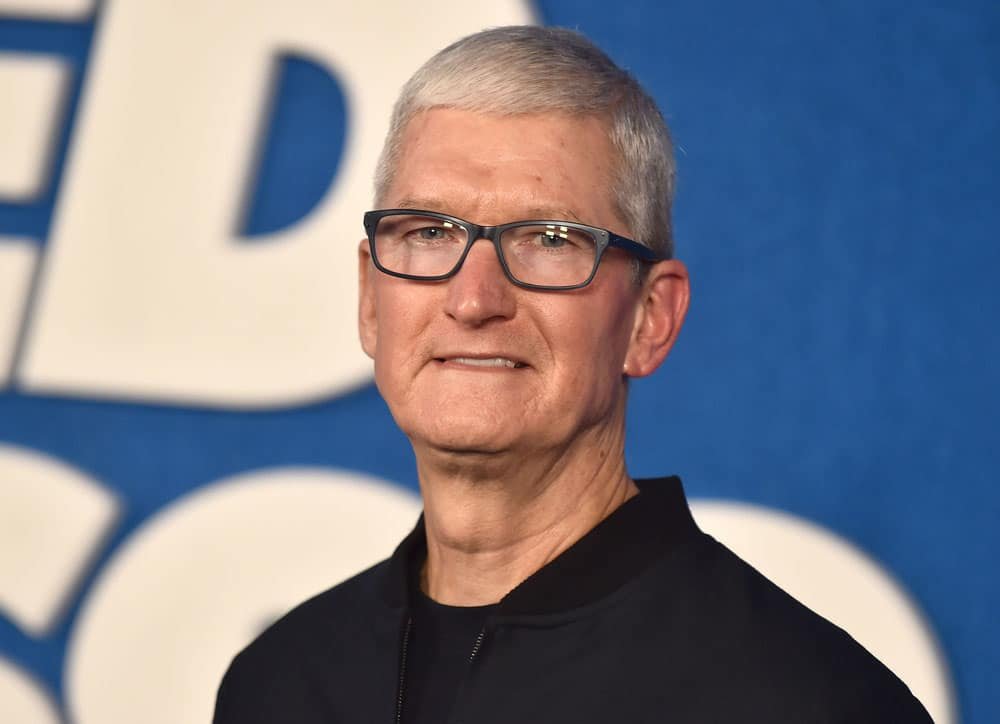
Tim Cook: Skills Over Diplomas
Apple CEO Tim Cook has echoed similar views. As early as 2019, he noted a “mismatch between college output and future job requirements.” At the time, nearly half of Apple’s U.S. workforce did not hold four-year degrees.
Cook has since repeated that traits such as collaboration, adaptability, and technical skills like coding are often more valuable than a diploma. “A degree isn’t always needed to work for Apple,” he said in 2023, emphasizing practical capabilities over academic credentials.

Prof. Dr. Amarendra Bhushan Dhiraj: Education as Strategy, Not Just Credentials
Commenting on the debate, Prof. Dr. Amarendra Bhushan Dhiraj, Executive Chair, CEO, and Editorial Director of CEOWORLD magazine, notes that while the views of tech leaders reflect a shift in hiring practices, the strategic value of education remains vital.
“Degrees by themselves no longer guarantee relevance in today’s job market,” Prof. Dhiraj explains. “But education is still critical—provided it is aligned with future skills. CEOs are right to emphasize adaptability, problem-solving, and digital literacy. The real challenge is rethinking universities as platforms for continuous reskilling, rather than credential factories.”
He adds that boards and investors should see this as a warning: “Companies that fail to invest in upskilling their workforce will not only lose competitiveness but also credibility in the eyes of markets. Education has to be viewed as a strategic asset, not just an entry requirement.”
Jensen Huang: Education Choices in Hindsight
Nvidia CEO Jensen Huang, one of the most influential leaders in the AI revolution, reflected that if he were starting again, he might choose different fields of study. Instead of electrical engineering, Huang said he might pursue physics or chemistry to prepare for the challenges of tomorrow’s technologies. His remarks highlight a broader truth: the skills most in demand today are shifting rapidly.
The Dropout Legacy in Tech
Some of the industry’s most iconic figures—Steve Jobs, Mark Zuckerberg, and Bill Gates—famously dropped out of college to build transformational companies. Jobs once criticized higher education for stifling creativity, while Zuckerberg left Harvard to scale Facebook into a global giant.
Bill Gates, however, has a more nuanced view. He admitted regretting leaving Harvard after just one year, even briefly trying to persuade a colleague to run Microsoft so he could return to school. Today, Gates advises that dropping out should be reserved for “exceptional cases,” underscoring the value of broad knowledge.
Key Numbers / Facts Box – Tech CEOs & Education
- ~50% of Apple’s U.S. workforce in 2019 did not hold four-year degrees.
- 3 iconic dropouts (Jobs, Zuckerberg, Gates) went on to build trillion-dollar companies.
- Nvidia’s Jensen Huang has said he might choose physics or chemistry if starting over.
- Alex Karp, Palantir: “The best credential in tech is working at Palantir.”
- Global AI disruption: McKinsey estimates 375 million workers may need reskilling by 2030.
Executive Takeaway
For CEOs and investors, the message from tech leaders is clear: degrees no longer guarantee employability in the digital economy. Companies are prioritizing skills, adaptability, and creativity over credentials, while AI continues to erode traditional career paths.
For young professionals, this means investing in coding, data science, collaboration, and problem-solving may be more valuable than a diploma from a prestigious university. For boards and investors, it signals a deeper shift in how talent pipelines will evolve in the next decade: from formal credentials to demonstrable skills.
The future of education—and employment—will be judged not by the letters after your name, but by the impact of your work.
Have you read?
The Citizenship by Investment (CBI) Index evaluates the performance of the 11 nations currently offering operational Citizenship By Investment (CBI) programs: St Kitts and Nevis (Saint Kitts and Nevis), Dominica, Grenada, Saint Lucia (St. Lucia), Antigua & Barbuda, Nauru, Vanuatu, Türkiye (Turkey), São Tomé and Príncipe, Jordan, and Egypt.
Copyright 2025 The Chief Economists Magazine. All rights reserved. This material (and any extract from it) must not be copied, redistributed, or placed on any website without Chief Economists Magazine's prior written consent. For media queries, please contact: info@chiefeconomists.com