The World’s 10 Highest-Paid CEOs in 2025—and What Their Paychecks Reveal

The World’s Top 10 Highest-Paid CEOs in 2025
When it comes to global leadership, today’s top CEOs are not just corporate managers—they are market shapers, innovators, and cultural icons. Their decisions influence industries, shift capital flows, and impact millions of lives worldwide. Unsurprisingly, these roles come with extraordinary compensation packages, often measured not in millions but in hundreds of millions—or even billions.
According to the CEOWORLD magazine report of 2025, Elon Musk tops the global list with an unprecedented $23.5 billion in pay, largely tied to Tesla stock options. Other leaders such as Apple’s Tim Cook, Nvidia’s Jensen Huang, and Microsoft’s Satya Nadella also feature prominently.
This list is more than a leaderboard—it highlights where wealth is concentrating, how executive pay is structured, and what this means for investors, boards, and regulators.
Key Trends in CEO Pay
Three patterns stand out from the 2025 rankings:
- Technology Dominates: Seven of the ten highest-paid CEOs are from tech, reflecting the sector’s outsized growth.
- Equity-Heavy Packages: Stock options and performance-based awards, not base salaries, are the drivers of billion-dollar paydays.
- Performance Alignment: Boards justify these packages by linking them to shareholder returns, though debates about fairness and wage gaps persist.
CEO Profiles
- Elon Musk – Tesla – $23.5 Billion
Musk remains an outlier in executive pay. His $23.5 billion compensation is almost entirely equity-driven, reflecting Tesla’s stock performance. Boards defend such packages as aligning leadership with investors, but critics argue it widens inequality. Musk’s influence extends beyond Tesla into SpaceX, AI, and energy, making him a polymath CEO whose pay mirrors his impact. - Tim Cook – Apple – $770.5 Million
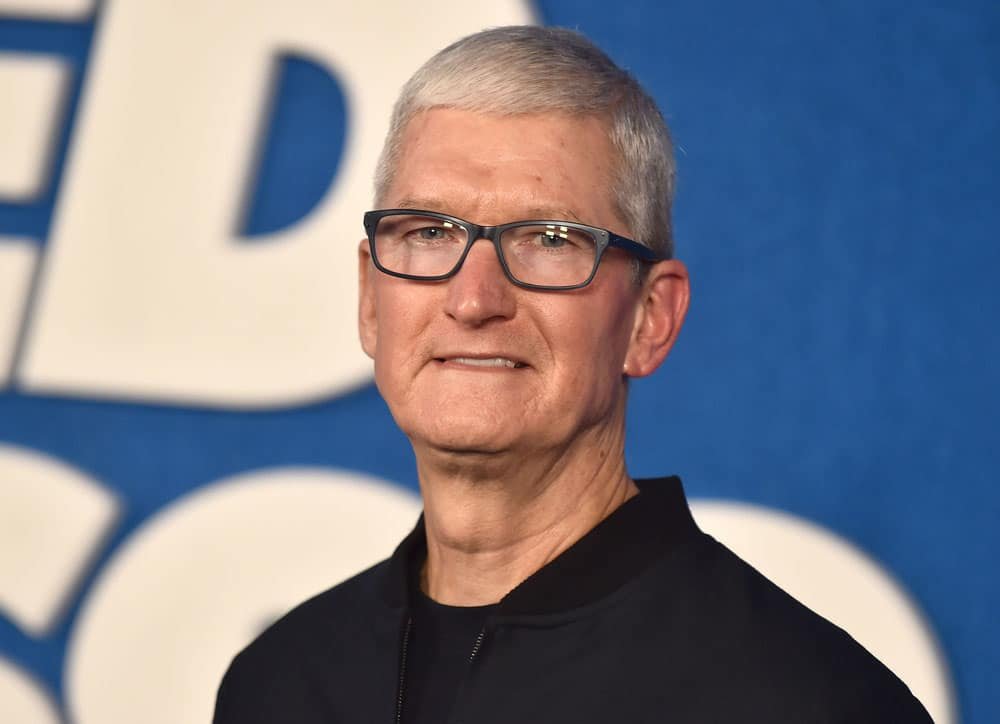
Cook’s package reflects Apple’s transformation under his leadership—from reliance on iPhones to diversification into services, wearables, and AI. With Apple now valued at over $3 trillion, Cook’s $770.5 million illustrates how long-term incentive structures can reward stability and innovation. - Jensen Huang – Nvidia – $561 Million
The AI boom catapulted Nvidia and Huang into the spotlight. Nvidia chips now power AI data centers, autonomous vehicles, and gaming. Huang’s $561 million underscores how AI has redefined the wealth curve in tech, rewarding those at the center of transformation. - Reed Hastings – Netflix – $453.5 Million
Although Hastings stepped down from day-to-day operations, his compensation reflects Netflix’s continued dominance in streaming and content innovation. His $453.5 million showcases how founders continue to benefit from equity-driven success even after transitioning leadership roles. - Leonard Schleifer – Regeneron Pharmaceuticals – $452.9 Million
Healthcare executives rarely make global pay lists, but Schleifer stands out. His leadership in biotech and immunology helped Regeneron achieve major breakthroughs, especially post-pandemic. His $452.9 million illustrates the resilience and profitability of pharma in turbulent markets. - Marc Benioff – Salesforce – $439.4 Million
Benioff is one of the few leaders blending activism with capitalism. His $439.4 million compensation reflects Salesforce’s strong market position in CRM and cloud, alongside its bold push into AI-driven enterprise solutions. - Satya Nadella – Microsoft – $309.4 Million
Nadella’s leadership has transformed Microsoft into a cloud and AI powerhouse. His $309.4 million reflects not just financial performance but cultural reinvention, as Microsoft reestablished itself as one of the world’s most valuable firms. - Robert A. Kotick – Activision Blizzard – $296.7 Million
Kotick’s pay package spiked as Activision Blizzard completed its acquisition by Microsoft. At $296.7 million, it reflects both his tenure and the massive shareholder value created in gaming consolidation. - Hock E. Tan – Broadcom – $288 Million
Known for aggressive acquisitions, Hock Tan built Broadcom into a semiconductor and infrastructure software giant. His $288 million underscores how chip industry consolidation is creating immense wealth for executives steering critical supply chains. - Sundar Pichai – Alphabet – $280 Million
Google’s parent rewarded Pichai $280 million as he balanced regulatory scrutiny with AI leadership and cloud growth. Alphabet’s diversification shows how tech giants pivot to sustain dominance, and Pichai’s pay reflects his stewardship in uncertain times.
Risks and Challenges
While boards defend pay packages as performance-driven, the widening CEO-to-worker pay gap is under scrutiny:
- Politicians and regulators are pushing for transparency and limits.
- Institutional investors increasingly tie votes on executive pay to ESG metrics.
- Public perception risks eroding brand trust if compensation appears excessive.
For boards, balancing competitive compensation with social legitimacy is becoming harder.
Outlook
CEO pay will likely remain equity-heavy, but scrutiny will intensify. As AI, biotech, and cloud continue to dominate, expect more outsized packages in these sectors. Investors should watch whether pay growth tracks shareholder value—or outpaces it.
Key Numbers / Facts Box – Highest-Paid CEOs 2025
- $23.5B – Elon Musk, Tesla (largest CEO pay ever recorded).
- $770.5M – Tim Cook, Apple.
- $561M – Jensen Huang, Nvidia.
- 7 of 10 CEOs are in technology.
- $2.7B+ combined compensation of top 10.
- Equity-based pay is 80–90% of total packages.
Executive Takeaway
The 2025 CEO pay list reveals more than who earns the most—it highlights the sectors driving global capital growth and the boardroom philosophies shaping executive incentives.
For boards, the challenge is justifying pay in an era of rising wage-gap scrutiny. For investors, these packages point to where innovation—and therefore value creation—is most concentrated: technology, healthcare, and media.
The broader lesson? CEO pay is not just about compensation—it’s a signal of industry leadership, shareholder alignment, and future growth trajectories.
Have you read?
The Citizenship by Investment (CBI) Index evaluates the performance of the 11 nations currently offering operational Citizenship By Investment (CBI) programs: St Kitts and Nevis (Saint Kitts and Nevis), Dominica, Grenada, Saint Lucia (St. Lucia), Antigua & Barbuda, Nauru, Vanuatu, Türkiye (Turkey), São Tomé and Príncipe, Jordan, and Egypt.
Copyright 2025 The Chief Economists Magazine. All rights reserved. This material (and any extract from it) must not be copied, redistributed, or placed on any website without Chief Economists Magazine's prior written consent. For media queries, please contact: info@chiefeconomists.com